Building Leaders: Character Development in Scouts BSA

Scouts BSA is more than just a program for outdoor adventures; it is a powerful platform for character development and leadership training. As young people navigate their formative years, the values instilled through Scouting can shape them into responsible, ethical leaders. This blog post explores how Scouts BSA fosters character development, the importance of leadership skills, and practical examples of how these principles are applied in real-life scenarios.
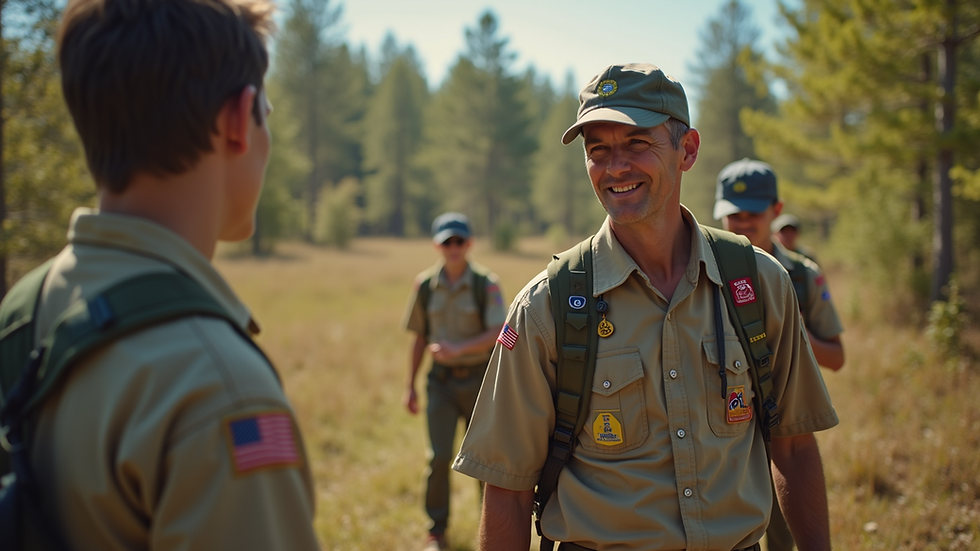
The Foundation of Character Development
Character development is a crucial aspect of growing up. It involves instilling values such as honesty, integrity, respect, and responsibility. Scouts BSA emphasizes these values through its mission and programs. The organization believes that character is built through experiences, challenges, and the guidance of mentors.
Core Values of Scouts BSA
Scouts BSA promotes a set of core values that serve as the foundation for character development:
Trustworthiness: Scouts are encouraged to be honest and reliable.
Loyalty: Being faithful to friends, family, and community is emphasized.
Helpfulness: Scouts learn the importance of serving others.
Friendliness: Building positive relationships is a key focus.
Courteousness: Scouts are taught to be polite and respectful.
These values are not just words; they are integrated into every activity, meeting, and event within the Scouts BSA program.
Leadership Skills in Action
Leadership is not just about holding a position of authority; it is about inspiring and guiding others. Scouts BSA provides numerous opportunities for youth to develop leadership skills through hands-on experiences.
Leadership Roles in Scouting
Scouts are given various leadership roles that allow them to practice and refine their skills. Some examples include:
Patrol Leader: Responsible for leading a small group of Scouts, organizing activities, and ensuring everyone participates.
Senior Patrol Leader: Oversees the entire troop, coordinating meetings and events while mentoring younger Scouts.
Quartermaster: Manages troop equipment and supplies, teaching responsibility and organizational skills.
These roles help Scouts learn how to communicate effectively, make decisions, and work collaboratively.
Real-Life Applications of Leadership Skills
The leadership skills developed in Scouts BSA extend beyond the program. Scouts often find themselves in situations where they can apply what they have learned. For instance:
Community Service Projects: Scouts organize and lead service projects, such as park clean-ups or food drives, demonstrating their ability to mobilize others for a common cause.
School Leadership: Many Scouts take on leadership roles in school clubs, sports teams, or student government, using their Scouting experience to guide their peers.
These experiences not only reinforce the skills learned in Scouting but also build confidence and a sense of responsibility.
The Role of Mentorship in Character Development
Mentorship plays a vital role in character development within Scouts BSA. Adult leaders serve as role models, guiding Scouts through challenges and helping them navigate their personal growth.
The Impact of Adult Leaders
Adult leaders in Scouts BSA are trained to foster a supportive environment where youth can thrive. They provide:
Guidance: Offering advice and support during difficult situations.
Encouragement: Celebrating achievements and motivating Scouts to push their limits.
Feedback: Providing constructive criticism to help Scouts improve their skills.
This mentorship not only aids in character development but also helps build lasting relationships between Scouts and their leaders.
The Importance of Community and Teamwork
Scouts BSA emphasizes the importance of community and teamwork in character development. Working together towards a common goal teaches Scouts valuable lessons about collaboration and respect for others.
Team-Building Activities
Scouting activities often involve teamwork, such as:
Camping Trips: Scouts must work together to set up tents, cook meals, and navigate the outdoors.
Group Challenges: Activities like ropes courses or obstacle courses require Scouts to rely on each other’s strengths to succeed.
These experiences foster a sense of belonging and teach Scouts how to support one another, enhancing their character and leadership abilities.
Challenges and Growth
Character development is not without its challenges. Scouts BSA encourages youth to face obstacles head-on, teaching resilience and perseverance.
Overcoming Adversity
Scouts often encounter challenges during their activities, whether it’s a difficult hike or a team conflict. These situations provide opportunities for growth. For example:
Problem-Solving: Scouts learn to assess situations, brainstorm solutions, and implement plans to overcome obstacles.
Conflict Resolution: When disagreements arise, Scouts are taught to communicate openly and find common ground, fostering respect and understanding.
These experiences help Scouts develop a strong sense of self and the ability to navigate life's challenges.
The Long-Term Impact of Character Development
The character development fostered in Scouts BSA has lasting effects on youth as they transition into adulthood. The skills and values learned in Scouting often shape their future choices and behaviors.
Success Stories
Many former Scouts credit their experiences in the program with shaping their character and leadership abilities. For instance:
Community Leaders: Numerous Scouts have gone on to hold leadership positions in their communities, using the skills they developed in Scouting to make a positive impact.
Successful Professionals: Many individuals attribute their success in their careers to the leadership and teamwork skills they honed as Scouts.
These success stories highlight the profound influence of character development in Scouts BSA.
Conclusion
Building leaders through character development is at the heart of Scouts BSA. By instilling core values, providing leadership opportunities, and fostering mentorship, Scouts BSA equips youth with the skills they need to succeed in life. As Scouts navigate challenges and work together, they develop not only as individuals but also as responsible members of their communities.
The journey of character development in Scouts BSA is ongoing, and the lessons learned will serve Scouts well into adulthood. As they continue to grow and lead, the impact of their Scouting experience will resonate throughout their lives, shaping them into the leaders of tomorrow.
Encourage the youth in your life to join Scouts BSA and embark on a journey of character development and leadership that will last a lifetime.


Comments